
2026-10-28 · Mike Thompson
How to Inspect Your Roof for Damage After a Texas Storm
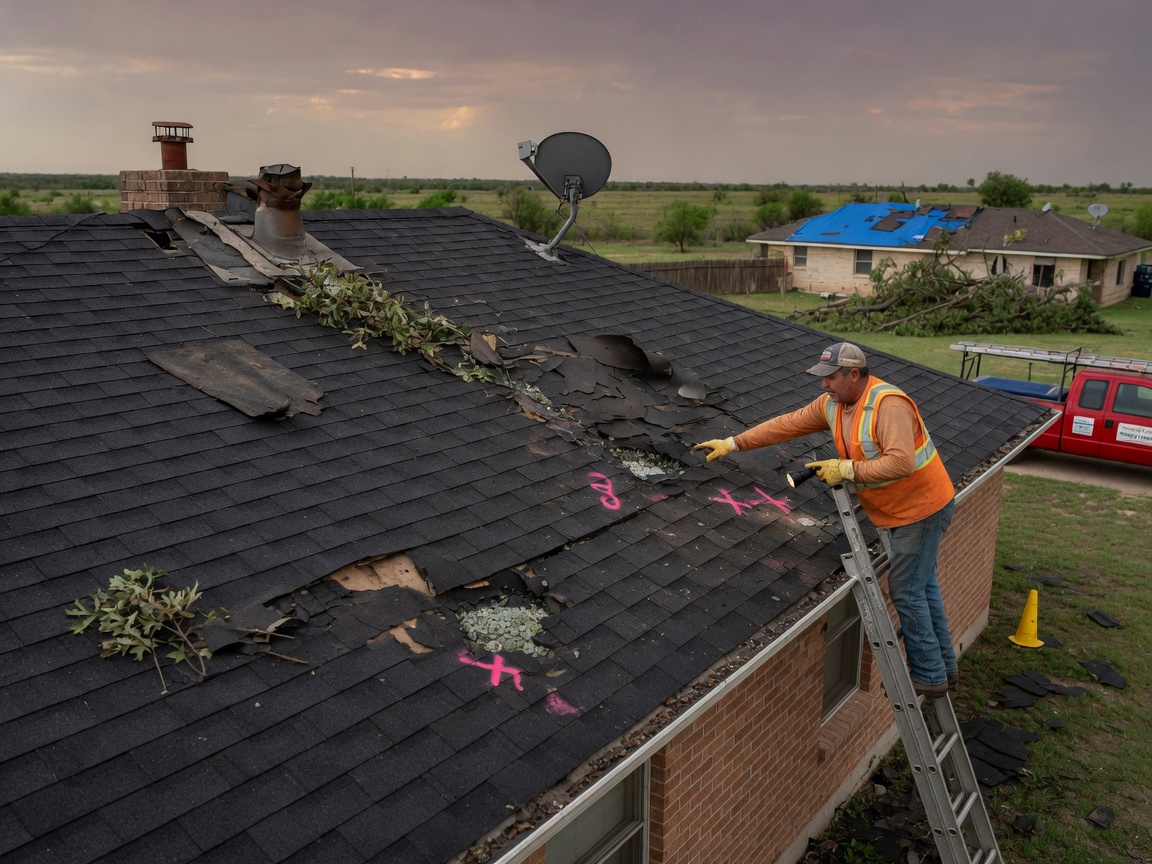
After a Texas storm passes through Johnson County, begin your roof inspection from the ground using binoculars to spot missing shingles, dented flashing, and debris piles around the eaves before any ladder work. This approach keeps you safe while identifying the most frequent issues on single-story homes in Downtown Alvarado and older properties near the Johnson County Fairgrounds. Hot summers followed by occasional severe storms mean hail and high winds often lift shingles or crack ridge vents, while mild winters allow small leaks to go unnoticed until attic moisture appears.
Ground-Level Visual Checks
Walk the perimeter of your home in Alvarado and look for granules in the gutters or scattered across driveways and sidewalks. These granules indicate shingle wear accelerated by the abrasive winds that accompany storms moving through the area from Burleson to Cleburne. Check downspouts and the base of the foundation for displaced flashing pieces or torn underlayment that may have blown off during gusts. Note any tree limbs from nearby lots that could have scraped the roof surface. Compare both sides of the roof slope visible from the street to spot uneven color changes that signal lifted tabs. Homes built in the 1970s and 1980s around Alvarado City Park often show these granule losses first because their original shingles have already endured multiple summer heat cycles.
Attic and Interior Inspection Steps
Enter the attic during daylight hours and scan the underside of the roof deck for dark water stains or daylight pinpoints near the ridge. In Johnson County homes, storm-driven rain frequently enters at valleys where two roof planes meet, so pay special attention to those seams. Feel insulation for dampness and check rafters for mold growth that develops quickly in the humidity after a storm. Use a flashlight to trace any new cracks in drywall ceilings directly below the roof, especially in rooms facing prevailing storm winds. Document every mark with photos and notes on the date so you can track whether moisture spreads after the next rainfall.
Ladder Safety and Close-Up Examination
Set up a sturdy ladder on level ground near the eaves and secure it before climbing. Examine shingles for curling edges, cracks, or nails that have backed out due to thermal expansion from hot summers. Lift a few tabs gently to inspect the sealant strip; if it has lost adhesion, wind-driven rain can work underneath during the next storm. Look at step flashing along chimneys and walls for separations, a common entry point on homes near Joshua and Cleburne. Measure any exposed nail heads and note their locations so a professional can address them before leaks develop in the attic.
When to Call for Professional Assessment
If you find more than a handful of damaged shingles or any signs of interior moisture, schedule a full inspection rather than attempting repairs yourself. Storm damage roof repair crews familiar with Johnson County conditions can evaluate hidden decking issues that ground checks miss. Consider pairing your self-inspection with a professional roof inspection to receive a written report suitable for insurance claims. Review the article What to Expect During a Professional Roof Inspection for details on what follows your initial assessment. Keep records of all observations and contact Alvarado Roofing during business hours if damage appears widespread after the next round of severe weather.
Seasonal Timing and Follow-Up Maintenance
Perform this inspection within 48 hours after any storm that produces hail or winds over 40 mph, as damage can worsen once summer heat returns. Re-check the same areas after the first heavy rain to confirm no new leaks have formed. In Alvarado, tying roof checks to the start of each season helps catch issues before they affect nearby neighborhoods like those in Cleburne or Joshua. Consistent attention to flashing and sealant conditions reduces the chance of interior repairs later in the year.